
DfE starts consultation on Improving School Food Standards in England
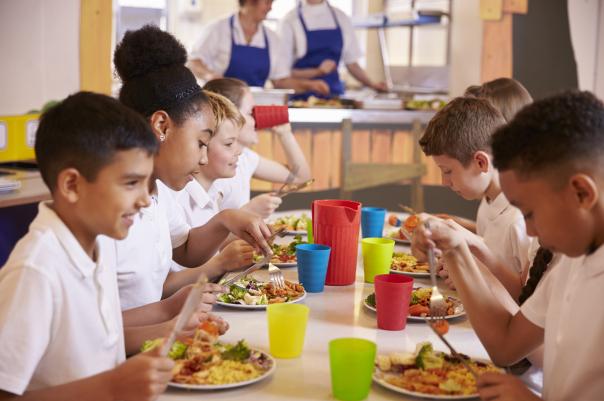
These new standards build on the Government's extension of Free School Meals to every child from a household in receipt of Universal Credit from September 2026 - reaching over half a million more children and lifting 100,000 out of poverty.
Together, these reforms represent the biggest expansion of school food provision in a generation. The consultation is now open and runs until 12th June 2026.
The DfE are proposing updated, modern School Food Standards that:
- Support healthier breakfasts and lunches across the whole school day.
- Increase fibre, reduce sugar and restrict foods high in fat, sugar and salt.
- Remove the reduced set of standards for maintained nurseries and nursery units within primary schools, where the early years foundation stage nutrition guidance applies.
- Promote healthy, nutritious and appealing food.
- Are inclusive of children with different needs, cultures, allergies and diets.
- Work practically for schools, caterers and governors.
Dominic Gilchrist, head of behaviour, exclusions and school food, vulnerable children and educational engagement, said: “A nutritious breakfast or a good-quality lunch can make a real difference to children’s concentration, behaviour, and long‑term health. That is why the Government has made school food a priority - and why we are today launching a national consultation on updated School Food Standards in England.
“The current standards, set more than a decade ago, no longer reflect the latest nutritional guidance or the preferences of children today. Too many children are consuming too much sugar and too little fibre, and health inequalities remain stubbornly wide. While we know many schools are already serving healthy school dinners, these new standards level the playing field so that every child - no matter where they live - gets good-quality food at school.
“We want to hear from those who know school food best: children and young people, parents and carers, schools and governors, caterers, health professionals and the wider food sector. Your insight will help ensure the new standards are workable, inclusive, and sustainable, and that they make a real difference in classrooms and communities across England.”
You can read the proposals and submit your views here: School Food Standards: updating the legislative framework - GOV.UK.