
Olive Dining CEO calls on Government to increase free school meals funding
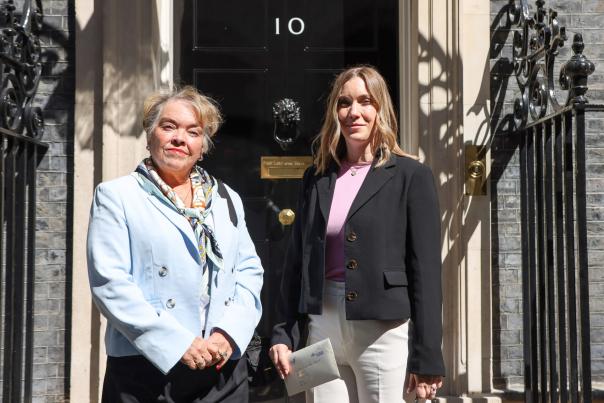
The letter argues that the current free school meals funding rate is no longer sufficient against a backdrop of rising food costs, increased labour costs and higher National Insurance contributions. It also highlights that free school meals play an important role in safeguarding children’s health and educational attainment.
Free school meals funding currently sits at £2.61 per meal, but Olive Dining says that without an increase to at least £3.50 per meal providers will be forced to compromise on food quality, undermining both nutritional standards and the integrity of the programme.
The current eligibility threshold has also left many struggling families without the support they need, putting their children’s health and attainment at risk. Olive Dining serves over 150,000 students across 170 schools – many of these in deprived areas of London and the South East.
Currently, more than 68,000 of these students rely on free school meals. Olive Dining has increased free school meals uptake by 22% in the past 12 months, with total meal uptake now exceeding 80% of the school population.
Stephanie Spratt, co-founder and chief executive of Olive Dining, said: “The free school meals scheme is a lifeline for many families across the UK, and as the squeeze on household budgets continues, access to consistent, nutritious meals at school is more important than ever.
“Children and young people need well-balanced meals not just to benefit their physical health, but to support their cognitive development, concentration, and academic performance. But without adequate funding, this is becoming more difficult. An increase in funding is essential to ensure schools can continue to provide meals made from fresh, high-quality, UK sourced ingredients.
"I’m calling on the Government to increase free school meals funding by 89p per child to reflect current market conditions; address the impact of rising labour costs, including London Living Wage increases and Employer National Insurance contributions; expand eligibility to support more low and middle-income families; and reinforce and invest in robust nutritional standards for school meals.”